
5 of My Favourite Photography Locations in New Zealand’s North Island
The North Island of New Zealand is home to some of the country’s most diverse and rewarding photography locations. From volcanic landscapes and geothermal valleys to ancient forests, dramatic coastlines, and remote mountain plateaus, it offers an incredible variety of subjects for landscape photographers.
Having spent years photographing throughout the North Island and leading photography tours and workshops across the region, I’ve come to appreciate that some locations consistently stand out. They offer not only spectacular scenery, but also the opportunity to create unique images and enjoy memorable experiences away from the busiest tourist routes.
In this guide, I’ve selected five of my favourite North Island photography spots. These are locations I regularly return to with my camera and often share with guests on my New Zealand photography tours. Whether you’re planning a dedicated photography trip or simply looking for inspiration for your next adventure, these destinations showcase some of the very best landscape photography opportunities the North Island has to offer.
1. Cathedral Cove – Coromandel Peninsula
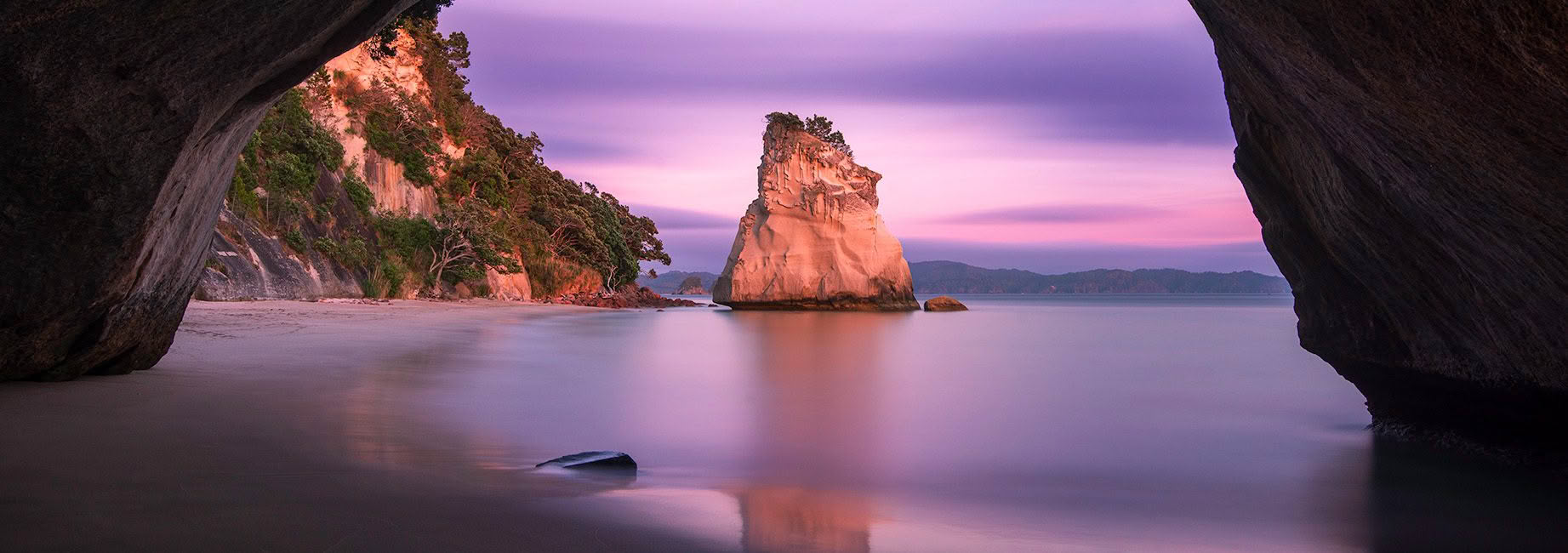
Cathedral Cove is one of the most recognisable coastal photography locations in New Zealand’s North Island, and despite its popularity it remains a highly rewarding place for landscape photography. The natural rock archway, which frames the ocean and the offshore stack of Te Horo, is a classic composition that features regularly in my North Island photography workshops. It’s a location that combines strong subject matter with constantly changing light and sea conditions, which keeps it creatively interesting even after multiple visits.
Sunrise is the most effective time to photograph the main archway. Early morning light often brings softer tones across the sand and water, and you also benefit from fewer people in the scene, which is a significant advantage at a location this well known.
Beyond the main arch, the offshore rock formations provide additional compositional opportunities. These are particularly effective for long exposure work, especially when incoming swell adds movement and texture to the foreground. At dusk, the coastline can also produce dramatic skies, with cloud structure often adding scale and atmosphere to wider compositions.
Even the walk down to Cathedral Cove offers strong photographic potential, with elevated viewpoints along the track providing opportunities for wider coastal landscape images. While the location can become busy during peak periods, those who arrive early or work slightly away from the main viewpoint are usually rewarded with calmer conditions and more creative freedom.
2. Mount Taranaki – Taranaki Region
Few North Island photography locations offer such a striking and instantly recognisable subject as Mount Taranaki. Rising in near-perfect symmetry from the surrounding landscape, it dominates the region and provides an incredible variety of photographic opportunities, from coastal scenes and reflective lakes to native forest and alpine environments.
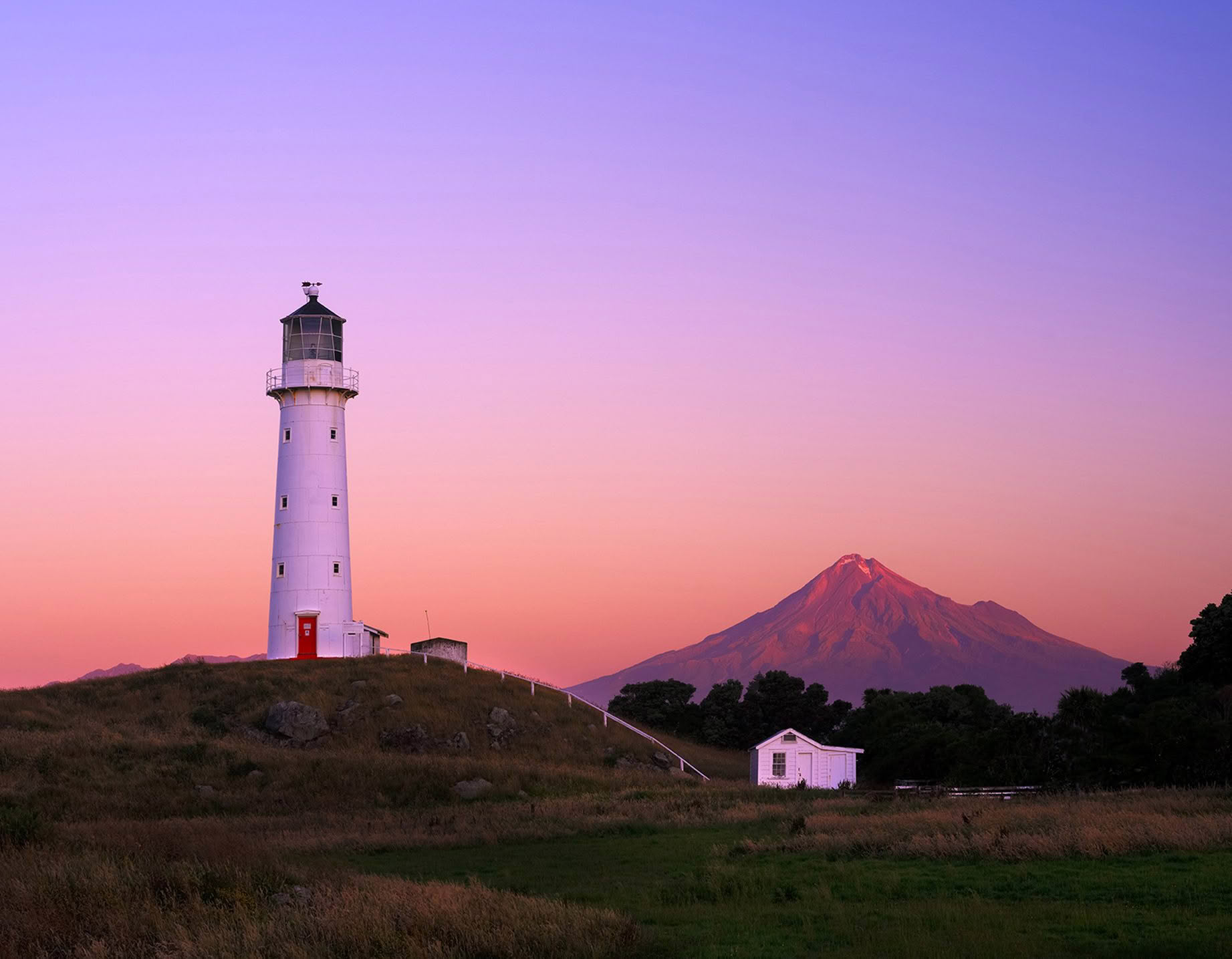
One of my favourite ways to photograph Mount Taranaki is from Cape Egmont Lighthouse. As someone who loves photographing lighthouses, the combination of the historic lighthouse and the mountain creates a uniquely New Zealand composition. Dusk often works particularly well here, with softer light helping to balance the scene and draw attention to both subjects.
Lake Mangamahoe is another favourite location, especially on calm mornings when reflections of the mountain form on the lake’s surface. Beyond these well-known viewpoints, the foothills of Taranaki offer endless opportunities to create more personal images. Rolling farmland, quiet country roads, and weathered rural buildings can all be used to frame the mountain and provide a stronger sense of place.
Perhaps the most iconic photograph of Mount Taranaki is its reflection in the Pouakai Tarns. Reaching this viewpoint requires effort, with a climb of around two and a half hours to the tarns and nearby hut, which should be booked well in advance. However, under the right conditions, the reward is one of New Zealand’s most celebrated landscape photography scenes.
The surrounding national park adds even more variety. Locations such as Dawson Falls, Wilkies Pools, and the Goblin Forest provide accessible opportunities to photograph waterfalls, native forest, and smaller landscape details. Further north, Tongaporutu offers a completely different experience, with rugged black-sand beaches, sea stacks, and the famous Three Sisters rock formations. Best visited at low tide and photographed around sunset, it is one of my favourite coastal photography locations in the region.
What makes Mount Taranaki special is not simply the mountain itself, but the sheer diversity of subjects found within a relatively small area. Whether photographing reflections, coastlines, forests, waterfalls, or rural landscapes, few places in the North Island offer such a rewarding combination of variety, challenge, and creative potential.
3. Rotorua – Geothermal Landscapes and more
Rotorua offers one of the most diverse photography experiences in New Zealand’s North Island. Within a relatively small area, you can photograph colourful geothermal features, tranquil lakes, native forest, and volcanic landscapes, making it a destination I regularly enjoy revisiting with my camera.
The region is best known for its geothermal activity, and one of the best places to see this is at Wai-O-Tapu. The vivid colours of Champagne Pool, combined with steaming vents, mineral terraces, and bubbling mud pools, create photographic opportunities unlike anywhere else in New Zealand.
Rotorua’s lakes provide a completely different style of photography. The jetties on Lake Rotorua and Lake Tarawera are popular subjects, particularly at dawn when calm conditions often create beautiful reflections. Lake Tarawera is a personal favourite, with Mount Tarawera providing a dramatic backdrop that adds depth and scale to many compositions.
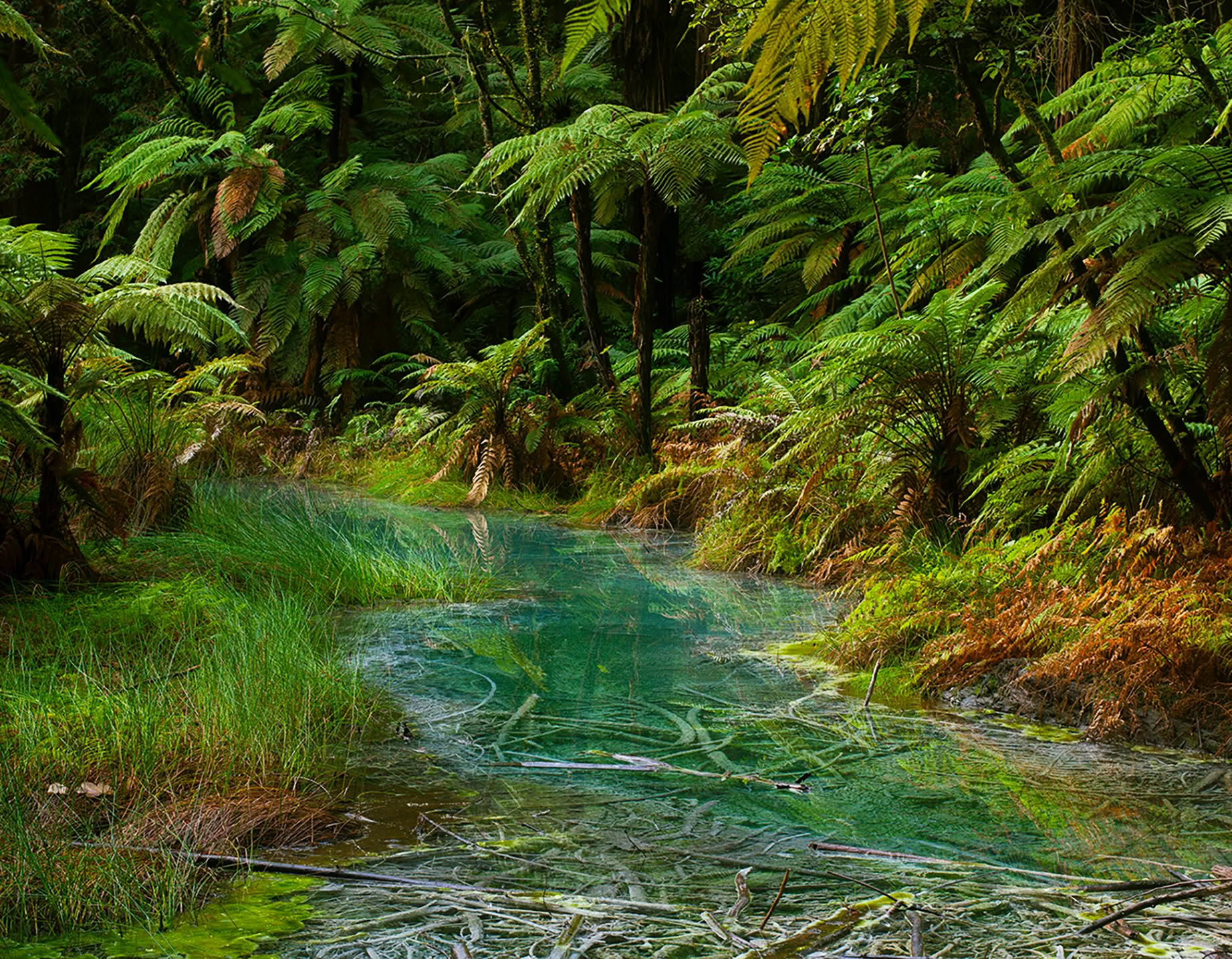
For photographers looking to explore beyond grand landscapes, the Whakarewarewa Forest offers an opportunity to focus on atmosphere, texture, and detail. The towering Californian redwoods create striking patterns and leading lines, while misty mornings can transform the forest into an almost otherworldly scene.
What makes Rotorua stand out is the sheer variety of subjects available within a single destination. It is one of the few places in the North Island where you can photograph geothermal landscapes at sunrise, lakes during the morning, and forest scenes later in the day without travelling far between locations. That diversity is one of the reasons Rotorua remains a regular feature of my North Island photography workshops and tours.
4. Central Plateau – Mount Ngauruhoe and Surrounding Volcanoes
Few locations in the North Island offer the variety and photographic potential of the Central Plateau. Dominated by the volcanic peaks of Mount Ngauruhoe, Tongariro, and Ruapehu, the region rewards photographers with everything from dramatic mountain vistas and alpine lakes to waterfalls, beech forest, desert landscapes, and intricate natural details. It is a landscape I regularly return to and one that continues to reveal something new with every visit.
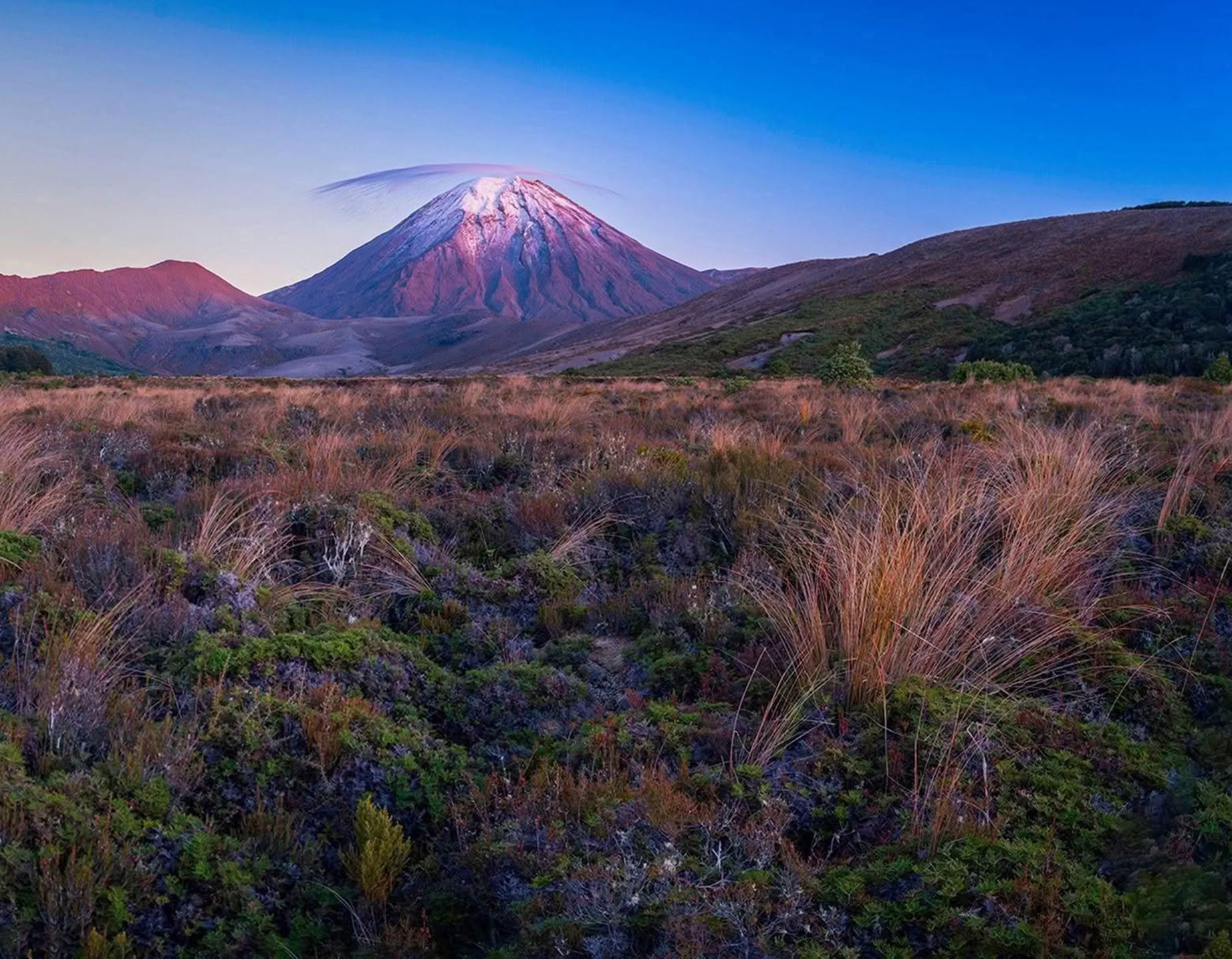
Mount Ngauruhoe, often recognised as “Mount Doom” from The Lord of the Rings, is undoubtedly the region’s most iconic subject. Its near-perfect volcanic cone creates a powerful focal point, particularly when photographed in changing weather conditions. While there are many places to photograph the mountain, one of my favourite viewpoints is from Scoria Flats on Bruce Road. From here, the volcanic landscape feels vast, and I’ve often found that passing cloud, fresh snow, or dramatic light can completely transform the scene from one visit to the next.
What I enjoy most about the Central Plateau, however, is that the volcanoes are only part of the story. Some of my favourite images from the region have been made away from the mountain summits altogether. The Taranaki Falls Track passes through native beech forest before emerging at one of the most photogenic waterfalls in the area. Early mornings can be particularly rewarding, with soft light and occasional fog adding atmosphere to both the forest and the falls.
For those prepared to put in a little more effort, the Tama Lakes offer one of the region’s most unique landscape photography experiences. On calm evenings, the lakes can reflect the surrounding volcanic terrain, creating images that feel distinctly different from the more familiar mountain viewpoints. The walk is well worth the effort, especially when the changing light of late afternoon and sunset begins to shape the landscape.
The region is also full of smaller photographic opportunities. Tawhai Falls is an easily accessible waterfall, while the surrounding forest provides endless opportunities to photograph moss-covered rocks, native vegetation, and intimate landscape scenes. In my experience, some of the most rewarding photographs from the Central Plateau come from slowing down and paying attention to these smaller details rather than constantly chasing grand vistas.
5. Northland – Cape Reinga
At the northern tip of New Zealand, Cape Reinga is a place of both natural beauty and cultural significance. For Māori, it is regarded as the place where spirits begin their final journey, while for photographers it offers a dramatic meeting of land, sea, sky, and light unlike anywhere else in the country.
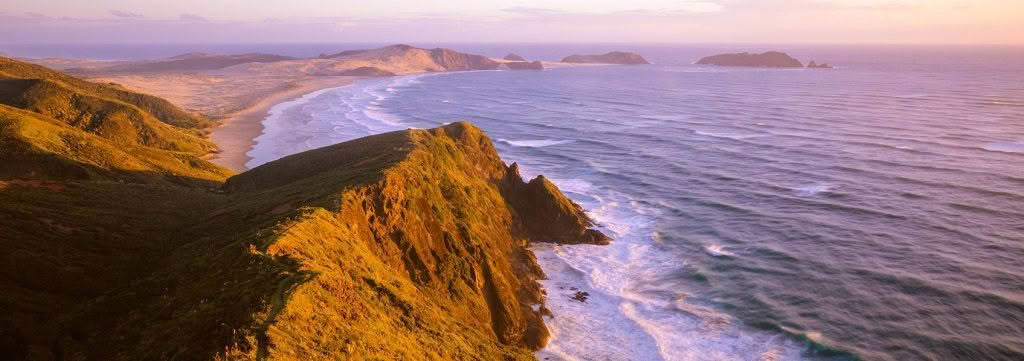
Cape Reinga itself is the focal point of the region. The iconic lighthouse perched above rugged cliffs provides an instantly recognisable subject, while the surrounding headlands create opportunities for wider landscape compositions. Looking out across the point where the Tasman Sea meets the Pacific Ocean, photographers can often see the swirling currents and changing colours of the water below. Sunset is my favourite time to photograph here, when warm light sweeps across the headland and adds depth and texture to the landscape.
One of the aspects I enjoy most about Cape Reinga is the sense of scale and remoteness. Standing on the headland, with vast ocean stretching in every direction, it’s easy to appreciate just how isolated this corner of New Zealand feels.
Another favourite viewpoint is looking towards Cape Maria van Diemen, New Zealand’s westernmost point. The rugged headlands, sweeping coastline, and endless Tasman horizon create a landscape that feels wild and untamed. Early morning and late afternoon are particularly rewarding, when lower-angle light helps define the shape and texture of the land.
Just inland, the Te Paki Sand Dunes provide a completely different photographic experience. Their constantly shifting forms, patterns, and shadows create opportunities for both grand landscapes and more abstract compositions. I’ve often found that some of the most interesting images come from slowing down and focusing on the smaller details – wind-shaped ridges, footprints, and the interplay between light and shadow across the sand.
What makes the Far North so rewarding is the diversity found within a relatively small area. From dramatic coastal vistas and remote headlands to the sculpted forms of the Te Paki dunes, it is a region that continues to surprise me every time I visit.
Planning Your North Island Photography Trip
The five locations above provide a strong starting point for photographing New Zealand’s North Island, From volcanic plateaus and geothermal landscapes to remote coastlines, native forests, and quiet rural backroads, there is far more here than any single list can fully capture.
One of the most important lessons I’ve learned while photographing the North Island is that good planning helps, but flexibility often makes the biggest difference. Distances can take longer than expected, and weather conditions can shift quickly, especially around coastal and volcanic regions. Being willing to adapt to the light and conditions in front of you is often what leads to the strongest and most memorable images.
For practical trip planning, including track information, access updates, and conservation guidance, the Department of Conservation (DOC NZ) website is an essential resource when exploring both popular and remote locations.
This adaptability is also something I emphasise on my North Island photography tours, where we often adjust plans based on weather, light, and seasonal conditions to make the most of each location. While careful preparation is important, some of the most rewarding photographic moments come from responding to unexpected opportunities in the field.
Whether travelling independently or on a guided photography tour, the North Island offers a landscape that constantly evolves and rewards persistence.