
5 of My Favourite Photography Locations in New Zealand’s South Island
The South Island of New Zealand is one of the most rewarding places in the world for landscape photography, and its diverse landscapes continue to draw photographers from across the globe. From towering alpine ranges and ancient forests to remote fiords and vast high country, the variety and scale of the scenery is unmatched.
Having photographed extensively throughout the South Island over many years, I’ve come to appreciate that the most memorable images rarely come from simply visiting the most famous viewpoints. While there are countless South Island photography locations that could make a list like this, it’s impossible to include them all in one guide.
For this article, I’ve intentionally left out some of the most well-known and frequently photographed spots, such as the Wanaka Tree and the Church of the Good Shepherd at Lake Tekapo. Although iconic, these locations are often crowded and can lack the sense of space that makes photographing the South Island so rewarding.
Instead, I’ve selected five locations that combine classic South Island landscapes with more immersive and authentic field experiences – places I’ve returned to repeatedly with my camera and often include in my South Island photography tours.
Whether you’re exploring independently or joining one of my South Island photography tours, these locations offer both inspiration and real creative challenge in some of New Zealand’s most dramatic landscapes.
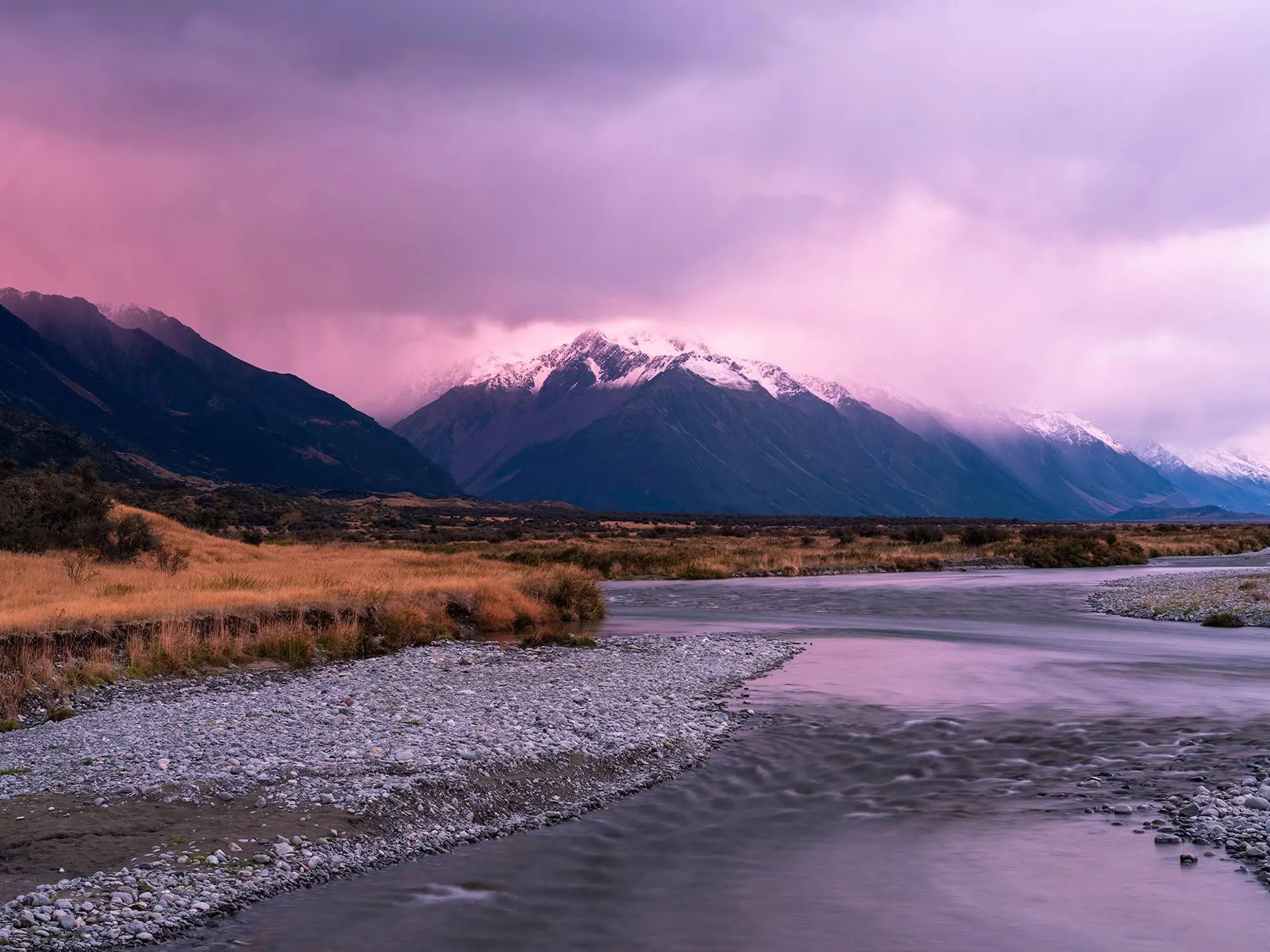
1. Aoraki / Mount Cook National Park – A Photographer’s Alpine Playground
Aoraki / Mount Cook is New Zealand’s highest peak, rising to 3,724 metres and dominating a vast landscape of glaciers, alpine tarns, and sweeping valleys. It is one of the most rewarding South Island photography locations for capturing classic alpine scenery at scale.
The Hooker Valley Track is the most accessible and well-known route into the park, with its suspension bridges, braided river systems, and the dramatic final view of Aoraki at the end of the valley. Sunset is especially special here, when Hooker Lake often holds icebergs and the mountain is lit by warm alpine glow. Even in less ideal conditions, shifting weather systems and surrounding peaks create moody, atmospheric images.
Other highlights include sunrise at Tasman Lake, where icebergs can sometimes be seen floating on the terminal lake beneath a backdrop of towering mountains, and the Sealy Tarns Track, which rewards the steep climb with expansive alpine views. The Tasman Valley also offers excellent opportunities for wide landscape compositions. Every part of this national park delivers strong photographic potential, and it’s easy to spend several days here without exhausting your opportunities.
2. Milford Sound – Fiordland’s Dramatic Landscapes
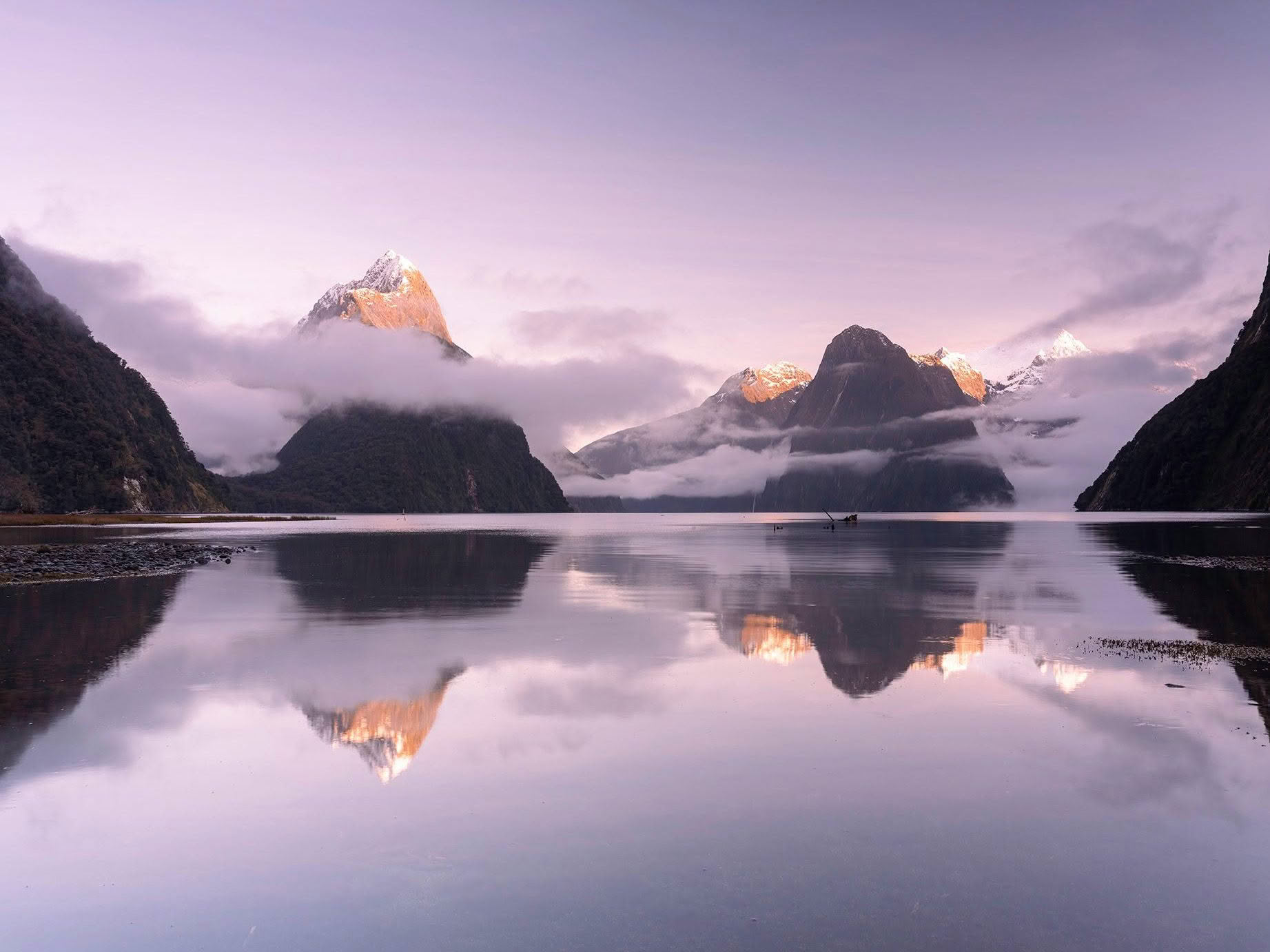
Milford Sound is one of those rare places that lives up to its reputation. Although it is one of the most visited natural attractions in New Zealand, its scale and wild beauty leave a lasting impression on every photographer.
Sheer cliffs rise directly from the water, waterfalls plunge hundreds of metres, and the sense of isolation is striking despite visitor numbers. Morning often brings calm reflections across the fiord, while after rain, dozens of temporary waterfalls appear along the cliff faces.
Photography opportunities range from shore-based compositions featuring Mitre Peak to boat cruises that take you deep into the fiord, often directly beneath cascading waterfalls. For those with more time, Doubtful Sound offers an even more remote and expansive fiord experience.
Along the Milford Road itself, there are numerous stops that offer strong photographic potential. The Marian Track winds through lush forest and along wild river systems before reaching Lake Marian, a beautiful alpine lake tucked into the surrounding peaks. The Lake Gunn Nature Walk is another worthwhile stop, offering opportunities to photograph the ancient beech forest that defines much of Fiordland’s atmosphere.
3. Haast Pass – Waterfalls, Canyons, and wild Rivers for Photography
Haast Pass, part of State Highway 6 linking the West Coast with the Southern Lakes region, is a spectacular drive filled with photographic opportunities at almost every turn. It’s a place where slowing down is essential if you want to do it justice.
Thunder Creek Falls and Fantail Falls are the most well-known roadside stops, but smaller cascades appear throughout the valley, especially after rain. The Blue Pools, with their vivid glacial water, offer a completely different subject, framed by swing bridges and dense native forest.
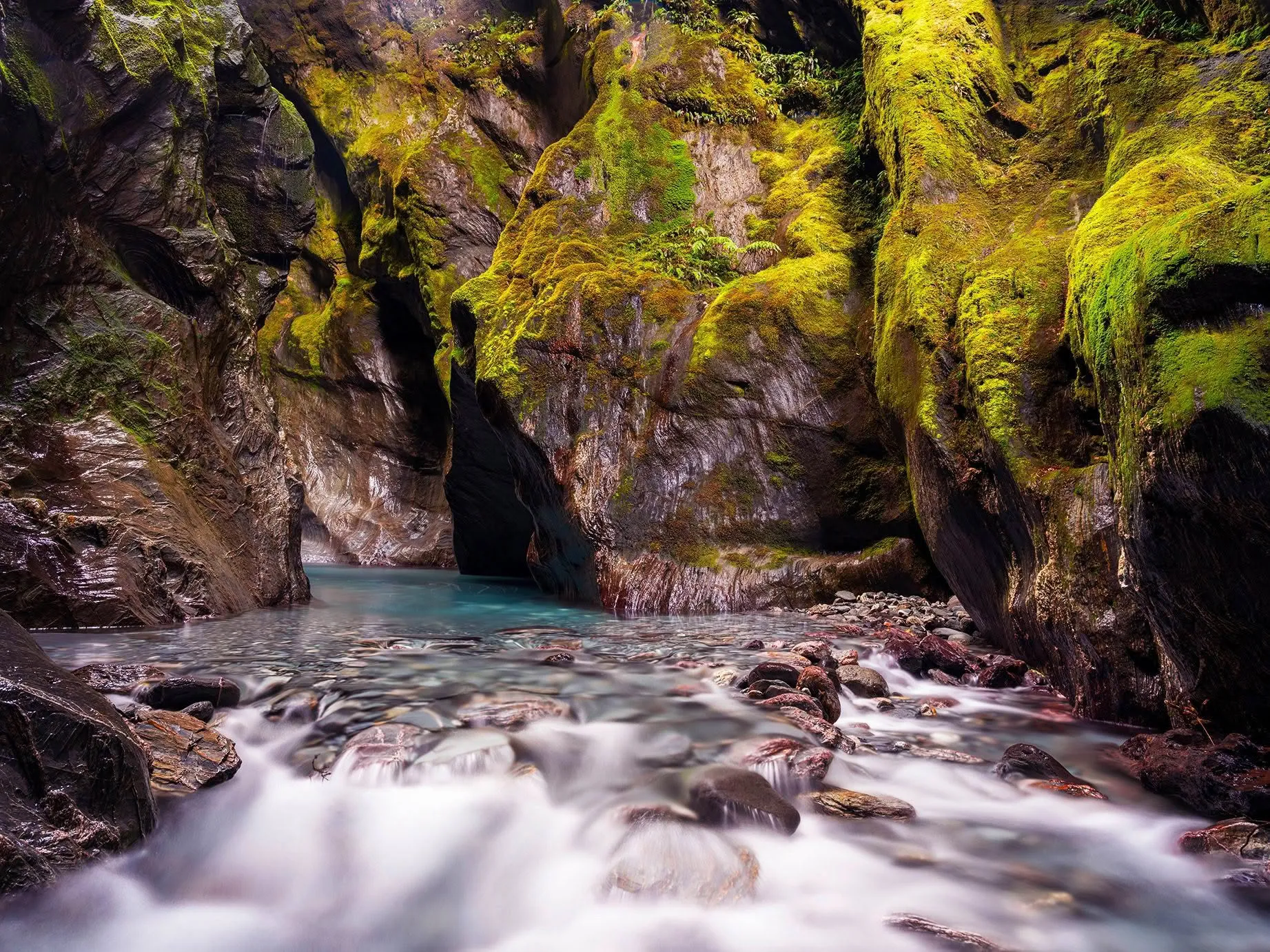
Beyond the main attractions, the Haast River itself is can make an excellent subject, winding through the valley in shifting shades of blue-green. Short walks into the surrounding forest often reveal moss-covered canyons and hidden streams that are ideal for long exposure work. For many photographers, this stretch of highway becomes an all-day photographic journey rather than a simple transit route.
Many photographers explore Haast Pass independently, but joining one of my South Island photography tours provides the advantage of timing, access, and guidance to help you make the most of changing light and conditions across this dynamic landscape.
4. Fox and Franz Josef Glaciers – West Coast Wild Scenery
Fox and Franz Josef are two of the most accessible glaciers in the world, descending directly from the Southern Alps to the West Coast rainforest. In recent years, direct access to the glacier fronts has become more limited due to natural ice retreat, but the valley walks still offer dramatic viewpoints. Helicopter flights provide another perspective, allowing close-up views of crevasses, seracs, and icefalls that cannot be seen from the ground.
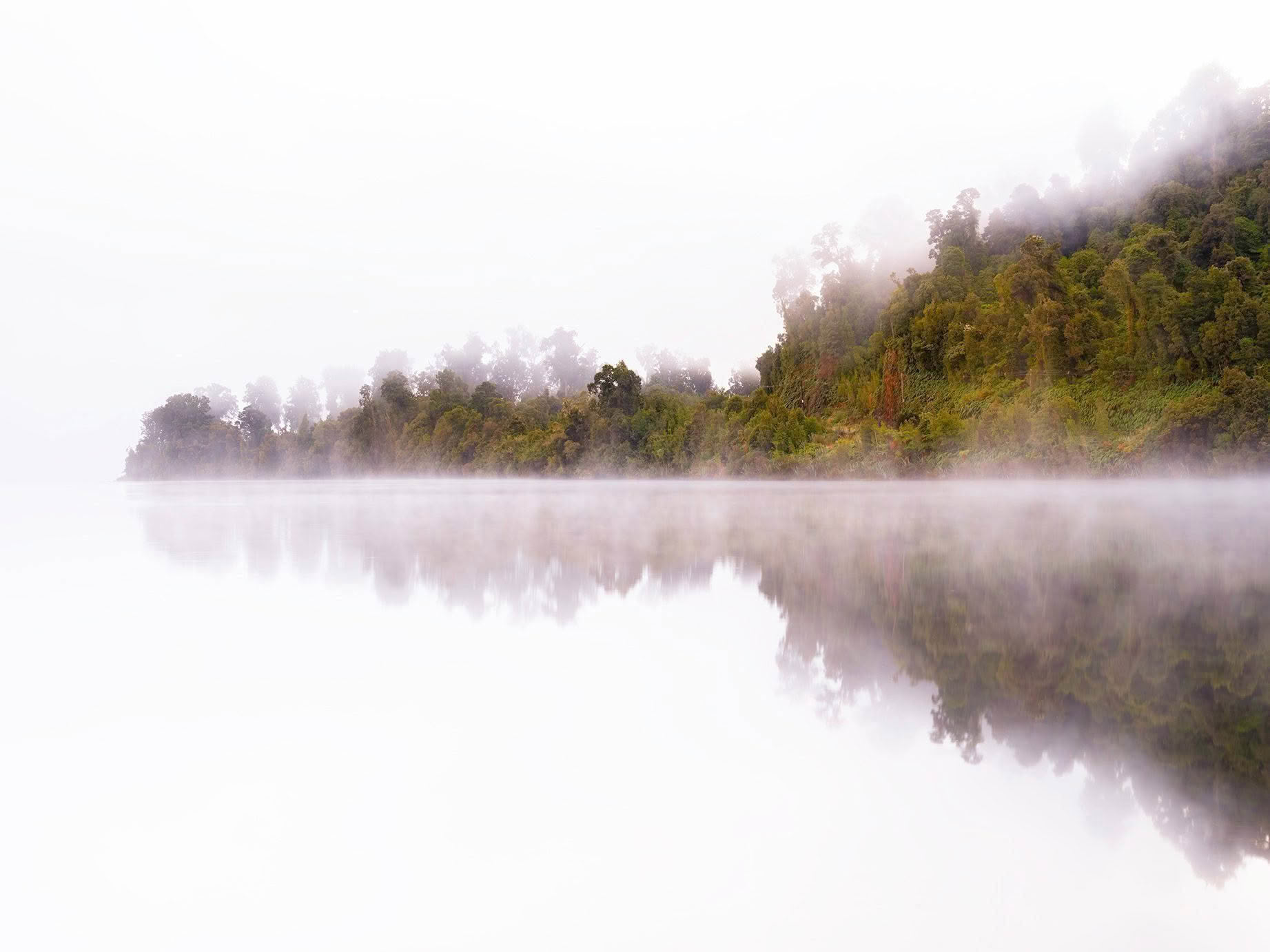
The surrounding area also offers a wide variety of photographic opportunities. Lake Matheson near Fox Glacier is famous for its mirror-like reflections of Aoraki / Mount Cook and Mount Tasman on still mornings. Gillespies Beach provides a wild and rugged West Coast coastline, with opportunities to photograph the Southern Alps from the shoreline in the right conditions.
The small settlement of Ōkārito is another highlight, with its peaceful lagoon and expansive views of the Southern Alps. Nearby, Lakes Mapourika and Wahapou are especially atmospheric in the early morning, often covered in mist that creates soft, moody compositions.
5. Ashburton Lakes – Remote High Country Photography
Tucked away in the Canterbury high country, the Ashburton Lakes are often overlooked in favour of better-known South Island locations. Yet they offer some of the most peaceful and rewarding landscapes in the region.
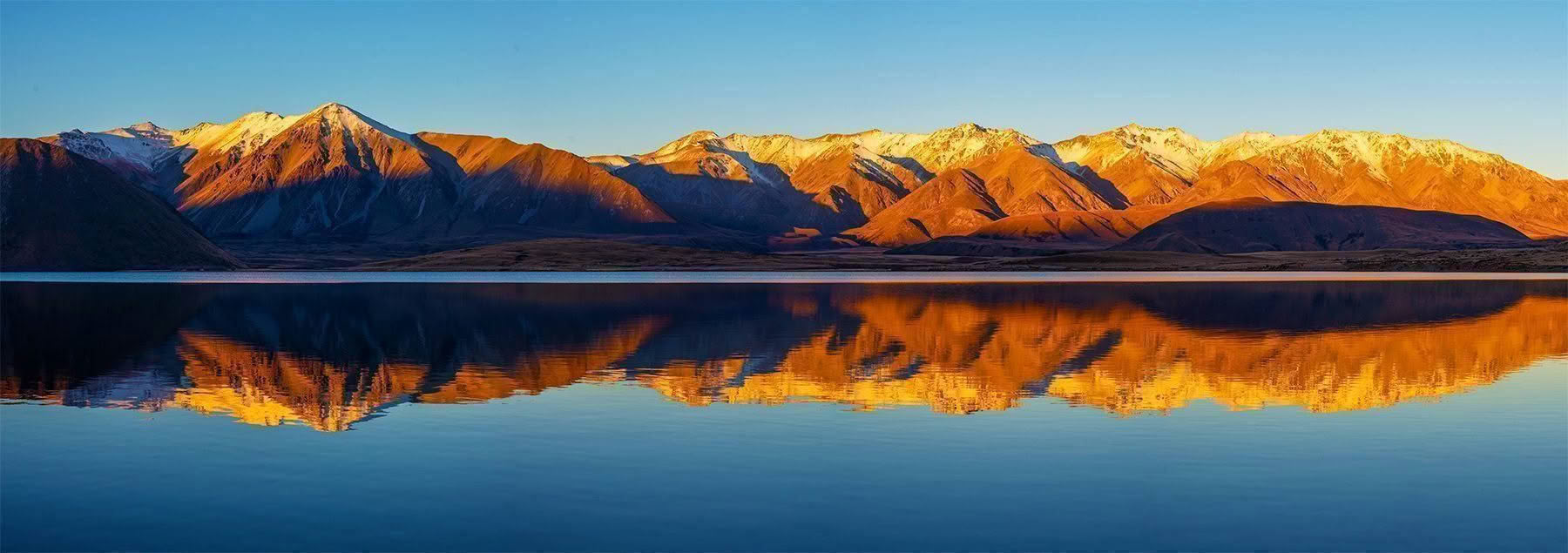
Lakes Clearwater, Heron, and Camp are surrounded by open tussock landscapes and framed by distant mountain ranges. The lack of development and relative remoteness create a quiet, expansive atmosphere that is increasingly rare in more accessible areas. On still days, reflections can be exceptional, while in harsher weather the raw conditions produce equally compelling, dramatic imagery.
This region transforms significantly through the seasons – from golden summer grasses to snow-covered peaks in winter. For photographers seeking variety beyond the more visited South Island photography locations, the Ashburton Lakes provide a genuine and uncrowded alternative.
Planning Your Landscape Photography Trip
The five locations above are a strong starting point, but they only scratch the surface of a landscape that extends far beyond any single list. Wild coastlines, high alpine passes, and quiet remote valleys all await those willing to explore with a camera in hand.
One thing I’ve learned over the years is that planning is important, but flexibility is just as essential. Distances in the South Island are often greater than they appear on the map, and the weather can quickly reshape even the best-laid plans. Staying open to change – and responding to the light and conditions in front of you – often leads to the most rewarding images.
For practical trip planning, including track information and conservation guidelines, the Department of Conservation (DOC NZ) website is an excellent resource.
That flexibility is also part of what makes guided South Island photography tours so valuable. Often, the strongest images come not from rigid planning, but from being ready when unexpected conditions unfold. You can explore my upcoming South Island photography tours to find a journey that suits your goals.
Whether you travel independently or as part of a group, the South Island will challenge you, inspire you, and continually reward persistence. It’s a place that gives far more than you can ever fully capture – and that is exactly what makes it so compelling.