
The Ultimate Guide to New Zealand Photography Tours: What to Expect and How to Prepare
New Zealand is one of the world’s great destinations for landscape photography. From remote fiords and alpine peaks to volcanic plateaus, ancient forests, and rugged coastlines, it offers an extraordinary variety of landscapes within a relatively compact country.
After leading photography tours throughout New Zealand for many years, I’ve found that the most rewarding trips are about far more than simply visiting beautiful locations. Success often comes from understanding the light, adapting to changing weather, and spending time in the right place rather than trying to see everything. A well-planned photography tour gives you the freedom to focus on making images while benefiting from local knowledge, flexible itineraries, and the support of other passionate photographers.
This guide explains what you can expect from a New Zealand photography tour, how to prepare for your trip, and the practical considerations that will help you make the most of your time in the field. Whether you’re joining one of my photography tours or planning your own photographic adventure, I hope these insights help you return home with stronger photographs and an even greater appreciation of New Zealand’s remarkable landscapes.
Why Join a New Zealand Photography Tour?
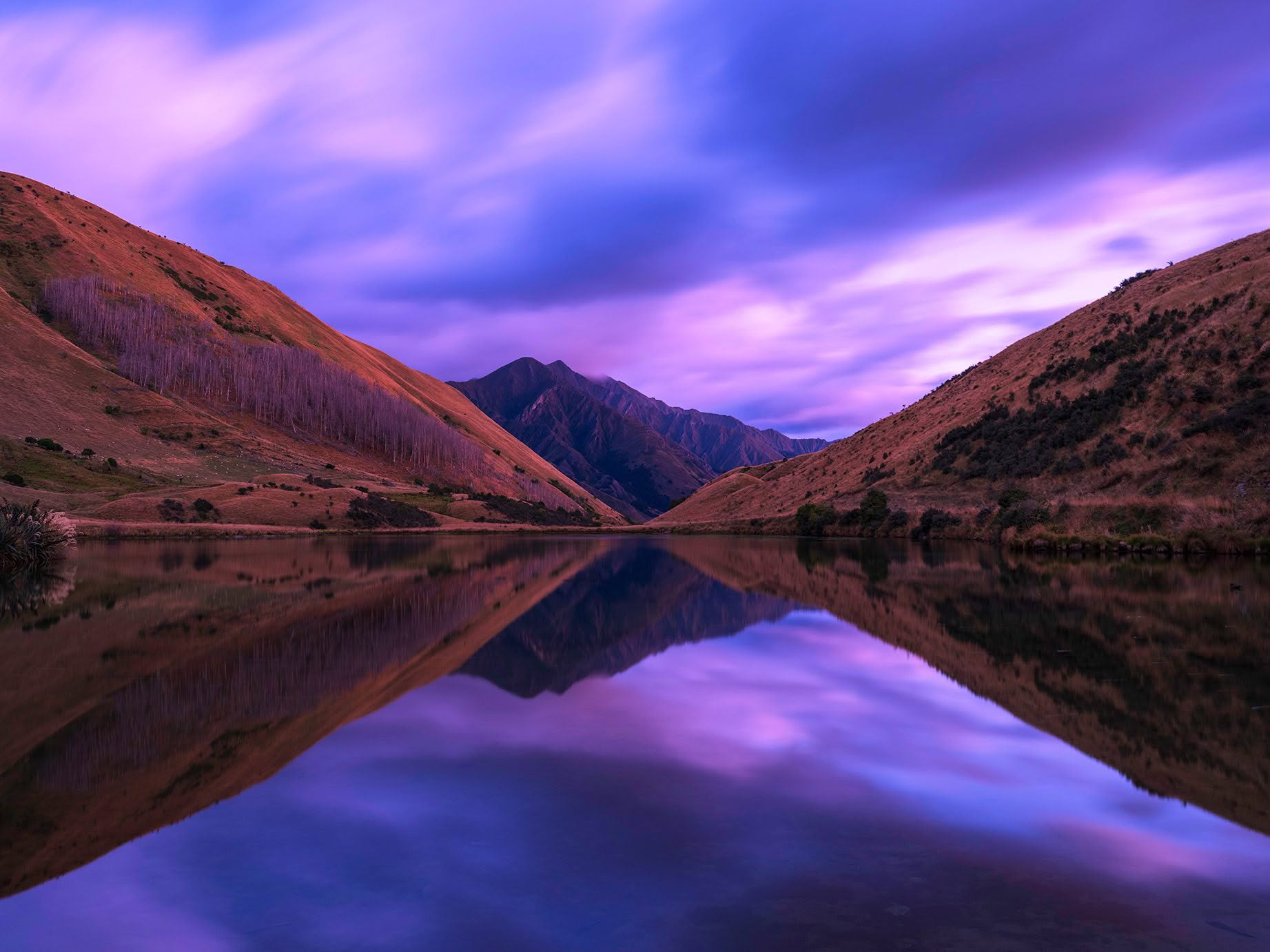
New Zealand is one of the world’s finest destinations for landscape photography, but photographing it well isn’t simply about visiting the right locations. Success often comes down to being in the right place at the right time, understanding how weather and light shape the landscape, and having the flexibility to adapt when conditions change.
These are some of the biggest advantages of joining a dedicated photography tour. Rather than worrying about route planning, driving unfamiliar roads before dawn, or deciding where to be for sunrise or sunset, you can focus on what you came for — making photographs. Local knowledge, careful planning, and a flexible itinerary allow more time behind the camera and less time dealing with logistics.
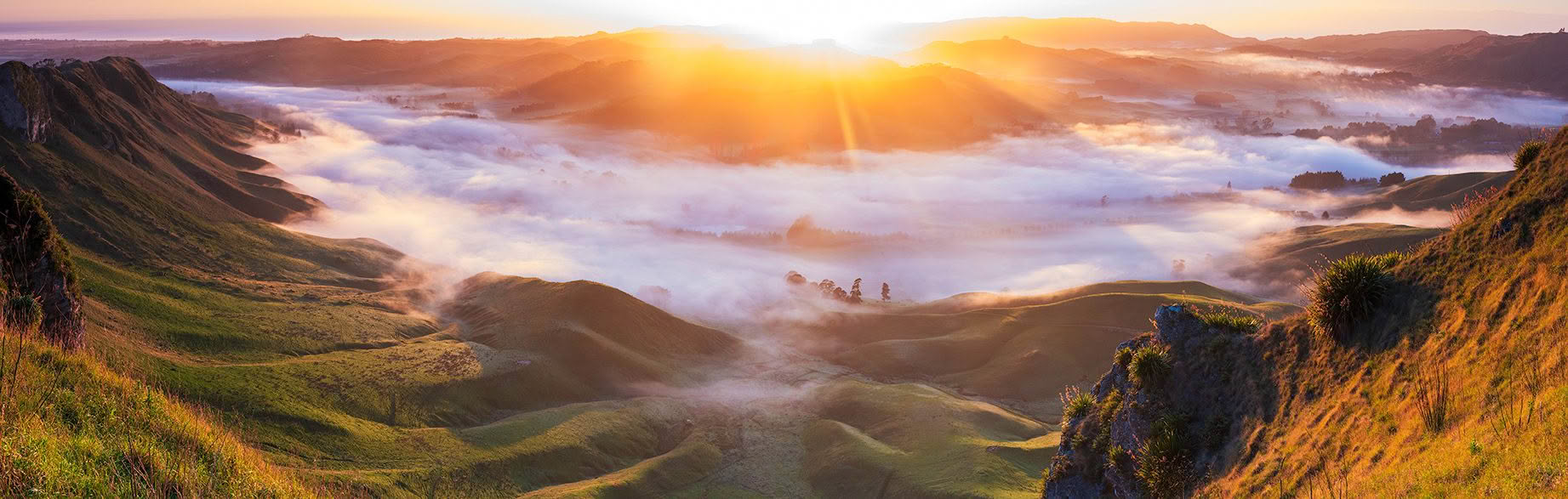
For me, photography tours are about much more than simply visiting beautiful places. They create opportunities to slow down, explore locations more deeply, learn from other photographers, and return home not only with stronger images but also with a better understanding of landscape photography. Some of the most memorable moments happen when unexpected light breaks through after a storm, morning mist settles across a valley, or the group discovers a composition that wasn’t part of the original plan.
While New Zealand’s mountains, coastlines, forests, and volcanic landscapes are undeniably spectacular, it is often these shared experiences and the freedom to respond to changing conditions that make a photography tour so rewarding.
What to Expect on a New Zealand Photography Tour
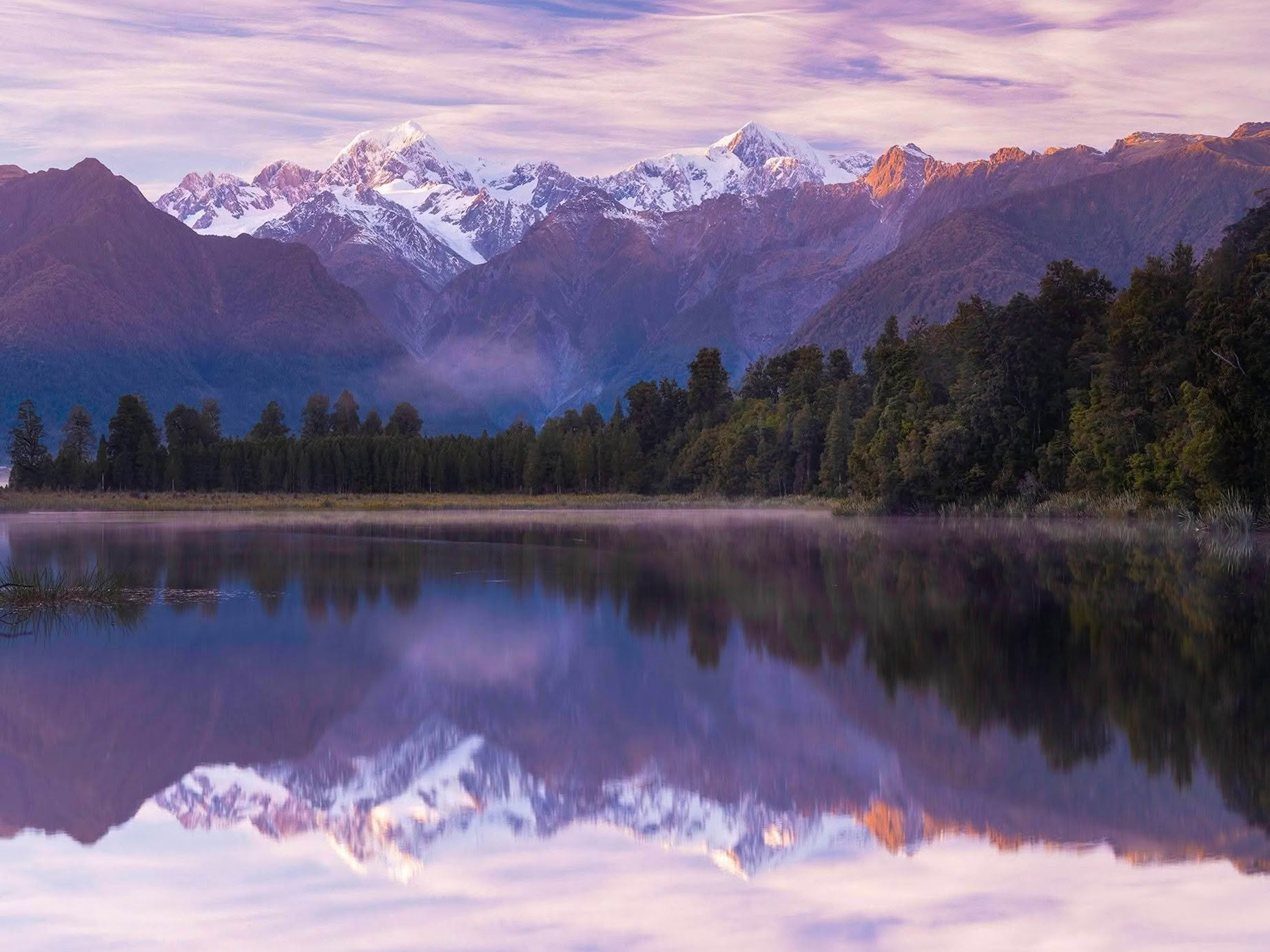
Every photography tour has its own character, but after many years of leading photographers through New Zealand, there are some elements that consistently make the experience rewarding.
Small Groups and a More Personal Experience
Keeping groups small is important because photography is a very personal process. It allows more time for individual guidance, more space at viewpoints, and a more relaxed approach to making images. It also creates the opportunity for guests to share ideas, learn from each other, and enjoy the experience with people who have the same passion for photography.
Access to Locations Through Local Knowledge
One of the biggest advantages of joining a photography tour is the knowledge that comes from spending years photographing a region. Knowing where to be, when to arrive, how the light behaves, and when conditions are likely to work in your favour can make a significant difference.
While the famous locations are part of what makes New Zealand special, some of the most rewarding photographs often come from quieter places, unexpected viewpoints, and moments away from the busiest locations.
A Typical Day
A typical day is built around the light rather than the clock.
Early mornings often begin before sunrise, when the first light creates the best opportunities for photography. During the middle of the day there is usually time to travel, explore, review images, discuss techniques, or simply enjoy the journey between locations.
As the afternoon progresses, attention turns towards the evening shoot, when lower-angle light and changing conditions often provide some of the most memorable photographic moments.
Working With the Conditions
One of the most important lessons in landscape photography is learning to work with what the environment gives you. New Zealand’s weather can change quickly, and sometimes the conditions that were not part of the original plan create the strongest images.
Being flexible, reading the landscape, and responding to the light is all part of the process – and often where the most rewarding photographs are found.
What You’ll Learn on a New Zealand Photography Tour
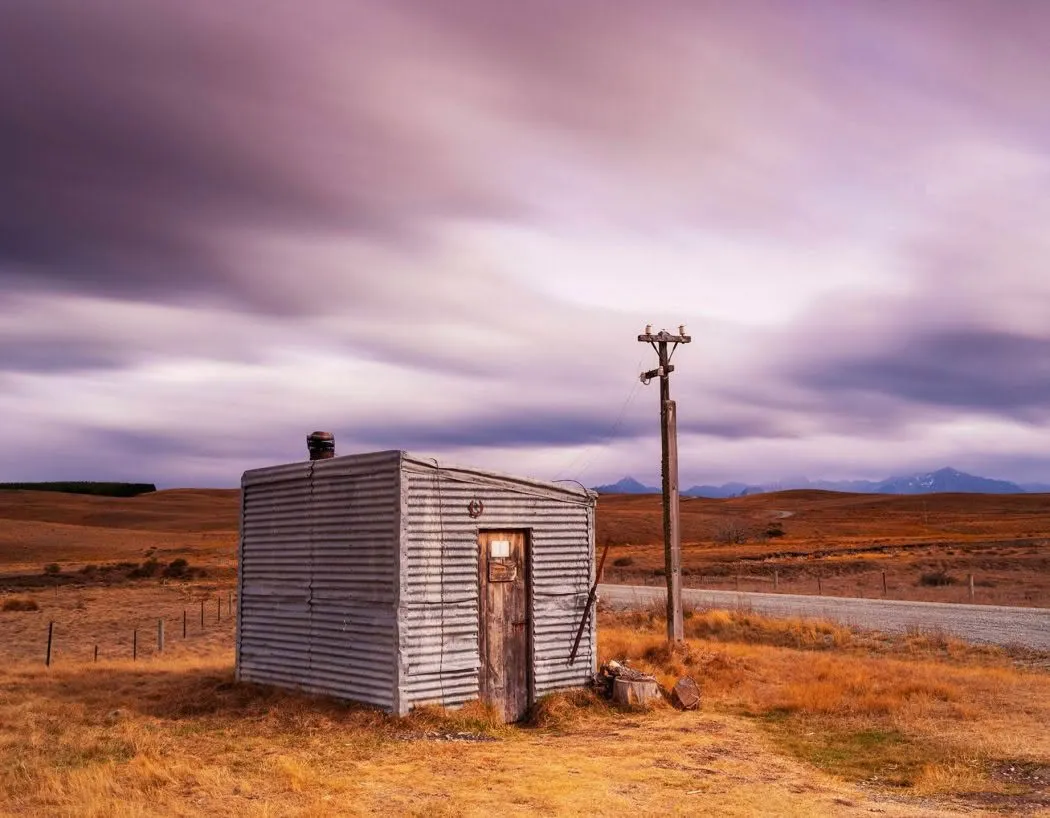
A photography tour is about more than visiting beautiful locations with a camera. While New Zealand provides incredible landscapes to photograph, the real value comes from learning how to see those places differently and understanding what makes a strong image.
Every photographer brings their own experience and goals, but many guests find that a tour helps them develop skills that continue long after the journey ends. Spending time in the field with an experienced guide provides the opportunity to discuss composition, light, weather, and the creative decisions that shape a photograph.
Landscape photography is often about patience and observation – learning when to wait, when to move, and how to respond when conditions change. A dramatic sky, unexpected fog, or a brief moment of light can transform an ordinary scene into something memorable.
During a photography tour, you will also learn through the process of photographing alongside others. Seeing how different photographers approach the same landscape can open up new ideas and encourage you to experiment with your own creative style.
Ultimately, the goal is not just to return home with a collection of images, but to become a more confident and thoughtful photographer who can continue creating stronger photographs wherever your travels take you.
The Best Regions for Landscape Photography in New Zealand
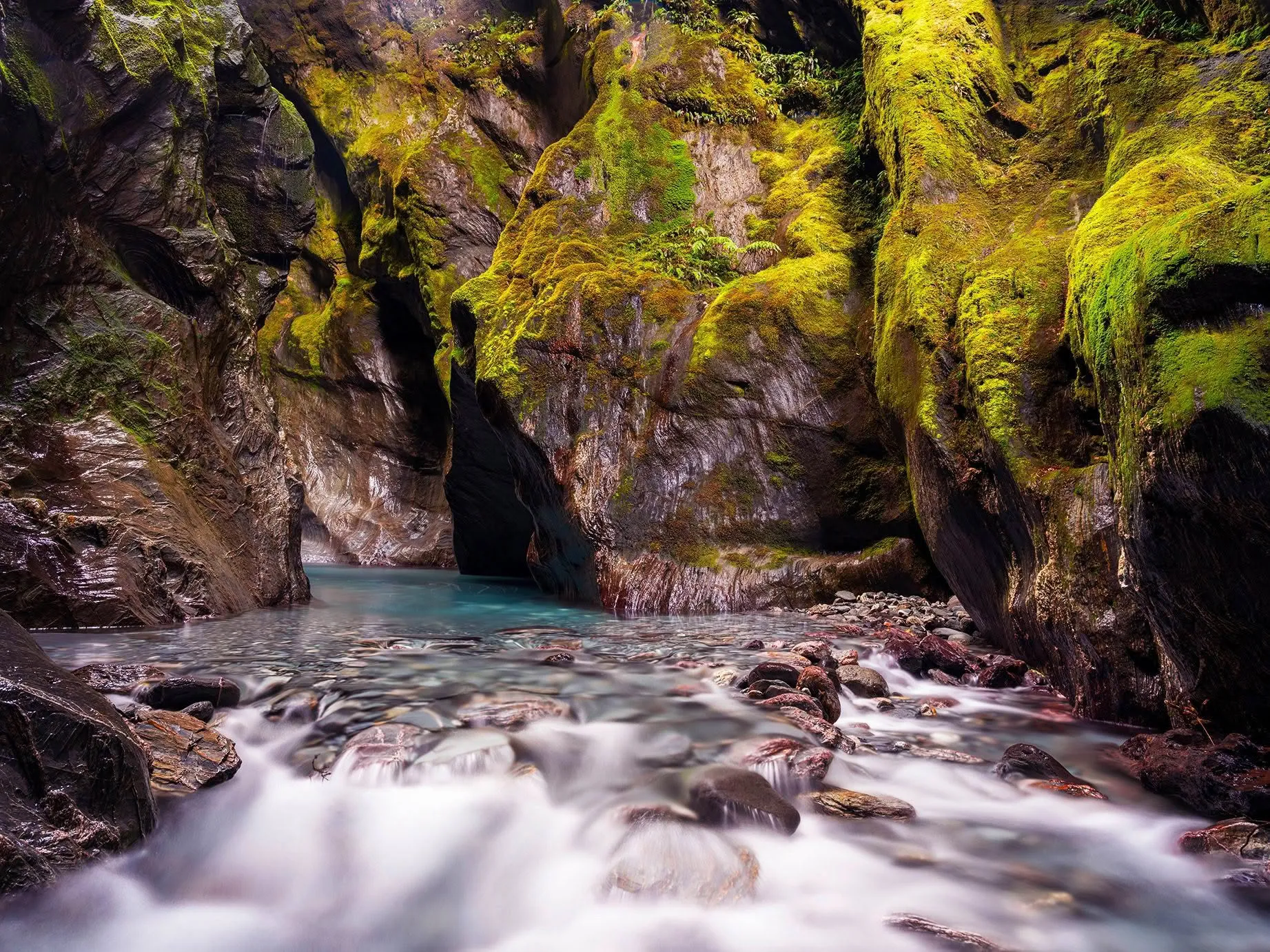
New Zealand offers an incredible variety of landscapes within a relatively compact country. While almost every region has something to offer photographers, a few areas consistently stand out because of their diversity, accessibility, and the range of conditions they provide.
These are the regions that form the foundation of many New Zealand photography tours.
Mackenzie Country
Highlights: Aoraki/Mount Cook, Lake Pukaki, Lake Tekapo, alpine landscapes, and some of the best dark skies in the world.
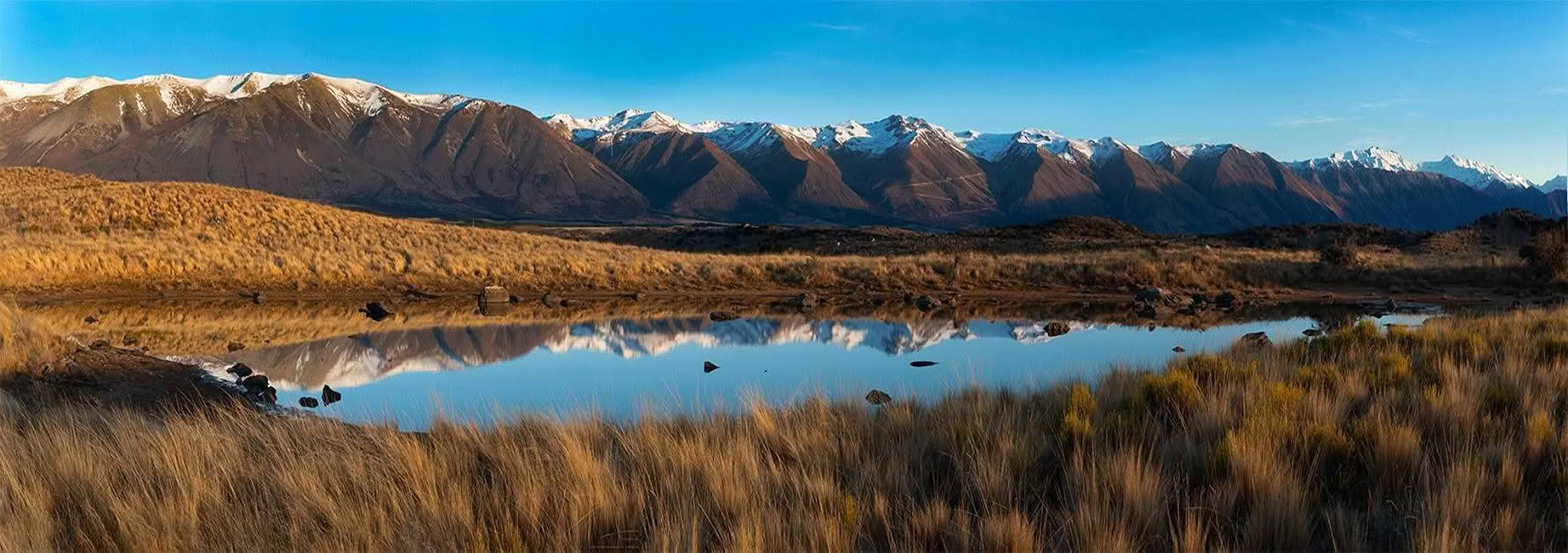
The Mackenzie Basin is one of New Zealand’s most iconic landscape photography regions. The combination of turquoise glacial lakes, dramatic Southern Alps, tussock-covered landscapes, and clear night skies creates endless opportunities for photography.
For many photographers, Aoraki/Mount Cook is the main attraction, but the magic of the region often comes from the smaller moments too – reflections on calm mornings, changing mountain light, and the way the landscape transforms through different seasons.
Otago
Highlights: Central Otago’s golden hills, high country landscapes, lakes, rivers, and historic rural character.
Otago offers a completely different photographic experience. The wide-open landscapes, distinctive colours, and combination of mountains and pastoral scenery create a strong sense of place.
Autumn is particularly special, when the changing colours of the region add warmth and contrast to the landscape. It is a region that rewards photographers who enjoy exploring beyond the obvious viewpoints.
Fiordland
Highlights: Milford Sound, Doubtful Sound, remote valleys, waterfalls, and ancient rainforest.
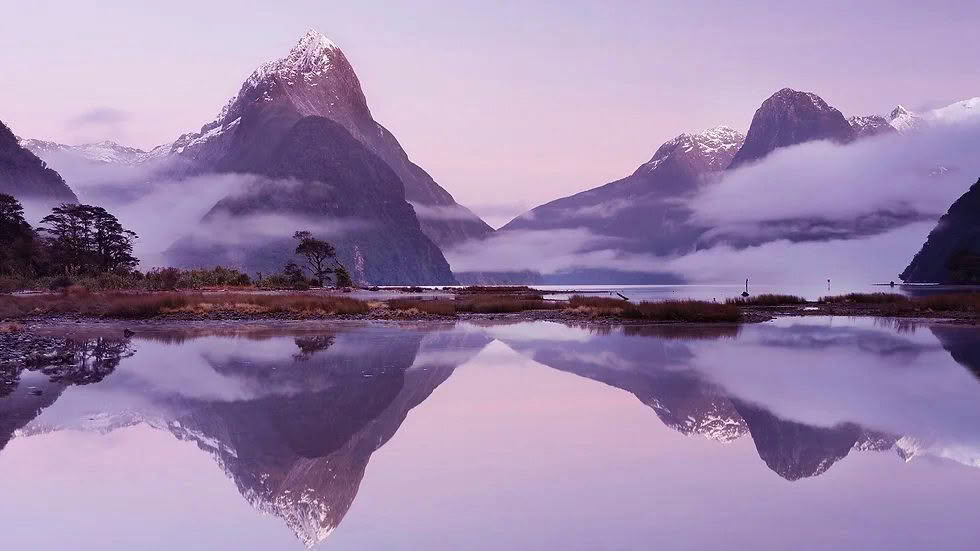
Fiordland is one of New Zealand’s most dramatic photography environments. Towering mountains, deep fiords, rainforest, and ever-changing weather create a landscape where conditions are often the key to the image.
The region is at its most powerful when the weather moves in – mist, low cloud, and rain can transform the landscape and create the moody atmosphere that makes Fiordland so unique.
Central Plateau – North Island
Highlights: Tongariro National Park, Mount Ruapehu, Mount Ngauruhoe, volcanic landscapes, forests, and waterfalls.
The Central Plateau provides a completely different experience from the South Island’s alpine environments. The volcanic landscapes, tussock plains, and native forests create a raw and dramatic setting for photography.
What makes this region special is the contrast – one moment you can be photographing a vast volcanic landscape, and the next you can be working with the intimate details of a forest or waterfall. The light and weather can change quickly here, often creating some of the most rewarding photographic opportunities.
These regions represent some of the very best landscape photography opportunities New Zealand has to offer, but part of the joy of photographing this country is discovering the unexpected moments between the famous locations.
Before visiting national parks or walking tracks, it’s worth checking the latest track conditions, alerts, and conservation information on the Department of Conservation (DOC) website.
You can also explore my guides to the 5 Best Photography Locations in New Zealand’s North Island and 5 Best Photography Locations in New Zealand’s South Island for more detailed location inspiration.
How to Prepare for a Photography Tour in New Zealand
Preparation helps you get the most from a photography tour, but it does not mean needing the latest camera equipment or being an experienced outdoor adventurer. The most important things are being comfortable outdoors, ready for changing conditions, and having the patience to work with the landscape.
Photography Gear
A reliable camera system is the most important starting point, whether you use a DSLR or mirrorless camera. A versatile lens setup is helpful, with a wide-angle lens for expansive landscapes and a telephoto lens for isolating details or compressing distant mountain scenes.
A sturdy tripod is highly recommended for landscape photography, especially for long exposures, low-light conditions, and capturing New Zealand’s incredible night skies. Filters such as polarising filters and neutral density filters can also provide creative options when working with water, reflections, and changing light.
Beyond the camera itself, practical items such as spare batteries, memory cards, and a way to back up your images are essential. The goal is not to bring every piece of equipment you own, but to have a kit you are comfortable using in the field.
Clothing and Practical Gear
New Zealand’s landscapes are spectacular, but the conditions can change quickly. A calm morning can become windy or wet within a short time, particularly in alpine and coastal areas.
Layered clothing is the best approach, allowing you to adapt throughout the day. A waterproof jacket, comfortable walking shoes with good grip, and warm layers are important even during months when conditions appear mild.
The ability to stay comfortable outdoors has a direct impact on photography. When you are warm, dry, and prepared, you can spend more time concentrating on composition and light.
Fitness and Mindset
Most photography tours do not require extreme fitness, but a reasonable level of walking ability is helpful. Many of New Zealand’s best viewpoints are reached by short walks, uneven tracks, or time spent outdoors carrying camera equipment.
Perhaps more important than fitness is mindset. Landscape photography rewards patience, curiosity, and flexibility. The conditions may not always match the original plan, but learning to work with changing weather and light is often what leads to the most memorable images.
Timing and Travel Considerations
Each season offers something different for photography in New Zealand. Autumn brings golden colours, winter offers snow-covered mountains and dramatic conditions, spring delivers fresh landscapes and flowering lupins, while summer provides longer daylight hours for exploring and shooting.
One of the advantages of joining a guided photography tour is that the logistics are taken care of, allowing you to focus your energy on photography. Travel between locations, accommodation choices, and daily planning are all designed around making the most of the landscapes and the conditions.
The best preparation is simply arriving ready to explore, learn, and adapt. New Zealand rewards photographers who slow down, observe carefully, and embrace whatever the landscape provides.
Best Time of Year for a New Zealand Photography Tour
New Zealand is a year-round destination for landscape photography, with each season offering its own unique character and opportunities. There is no single “best” time to visit — the right season depends on the landscapes you want to photograph and the type of experience you are looking for.
Autumn
Autumn is one of the most popular seasons for landscape photographers, particularly in regions such as Central Otago. The changing colours of trees and vegetation add warmth and contrast to mountain landscapes, lakes, and rural scenes. Cooler temperatures and often stable conditions can also create excellent opportunities for photography.
Winter
Winter brings a different mood to New Zealand’s landscapes. Snow-covered mountains, dramatic weather, and quieter locations create a more rugged and atmospheric experience. For photographers who enjoy alpine scenes and powerful conditions, winter can be incredibly rewarding.
Spring
Spring is a season of renewal, with fresh green landscapes, flowing waterfalls, and flowering lupins adding colour to many regions. Melting snow and changing conditions can create a sense of movement and energy in the landscape.
Summer
Summer provides longer daylight hours and easier access to many locations, making it a great time for exploring and photographing a wide variety of environments. The warmer months are particularly appealing for photographers wanting to maximise time outdoors and experience more of New Zealand’s remote landscapes.
One of the advantages of joining a guided photography tour is that the itinerary and locations can be planned around the strengths of each season. Regardless of when you visit, New Zealand’s landscapes are constantly changing — and often the most memorable photographs come from being prepared to embrace whatever conditions appear.
Is a New Zealand Photography Tour Right for You?
A New Zealand photography tour can be rewarding for a wide range of photographers, from those taking their first steps with landscape photography to experienced photographers looking for new creative challenges. The most important thing is not the camera you use or the number of years you have been photographing – it is curiosity, enthusiasm, and a desire to improve.
These tours are ideal for photographers who enjoy spending time outdoors, experiencing new landscapes, and learning how to respond to changing conditions. New Zealand’s weather and light can be unpredictable, and some of the most memorable images often come from being patient and adapting to what the landscape provides.
They are also suited to travellers who value a deeper experience rather than simply visiting as many locations as possible. The focus is on slowing down, understanding the landscape, and creating meaningful photographs while sharing the journey with others who have the same passion.
If you enjoy learning, exploring, and allowing time for the right moment to unfold, a New Zealand photography tour offers the opportunity to experience the country in a very different way.
Final Thoughts
New Zealand is more than a backdrop for photographs. Its landscapes are constantly changing, shaped by light, weather, and the passing of the seasons. A photography tour provides the time, local knowledge, and support to experience these places more deeply – not just capturing images, but creating memories connected to the journey itself.
The most rewarding photographs often come from patience, curiosity, and a willingness to embrace whatever conditions the landscape provides. Whether it is the first light touching a mountain peak, mist drifting through a forest, or a quiet moment beside a remote coastline, these are the experiences that make photographing New Zealand so special.
If you’re ready to experience New Zealand through a photography tour, you can view my upcoming New Zealand Photography Tours here.